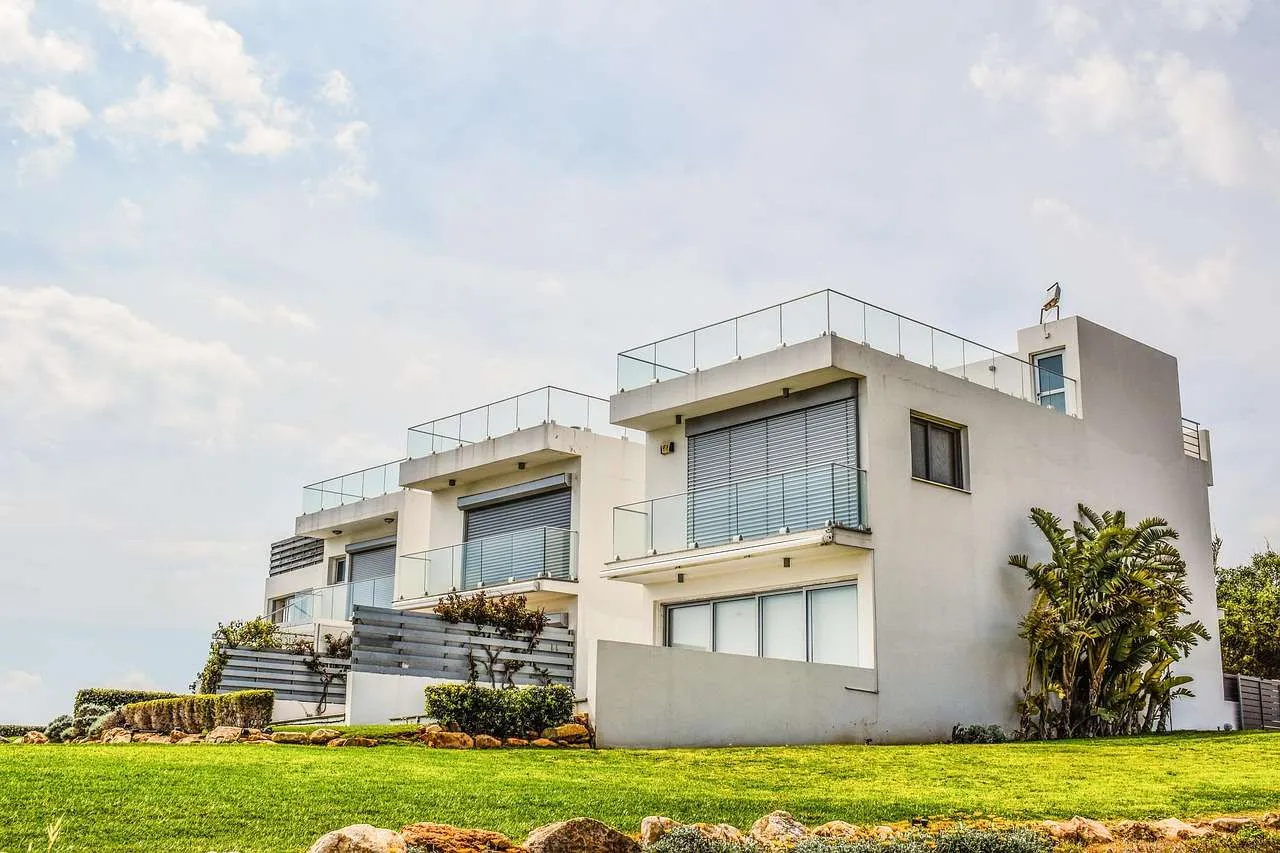
Roofing is more than curb appeal; it's your home's first line of defense against weather, heat, and moisture. When problems arise, timely roof repairs protect interior spaces and preserve property value. This guide covers roofing and roof repairs — what to look for, how repairs are performed, costs, and how to choose a qualified contractor with a focus on EEAT: experience, expertise, authority, and trust.
Understanding Roofing and Its Key Components
Roofing is a system designed to shed water, insulate the home, and provide ventilation. The main parts include the roof deck or sheathing, underlayment, and the outer covering such as asphalt shingles, metal panels, or tiles. Flashing around chimneys, vents, and skylines prevents leaks, while proper ventilation and insulation help regulate attic temperature and moisture. Depending on the material and climate, a roof can last 15–70 years, with asphalt shingles at the shorter end and metal or tile at the longer end. Understanding these components helps homeowners recognize when a repair is straightforward and when a replacement may be more cost-effective in the long run.
Common Roofing Materials and Lifespans
Asphalt shingles are the most common and affordable option, typically lasting 15–30 years. Metal roofs offer durability and energy efficiency with lifespans often exceeding 40 years. Clay or concrete tiles are long-lasting but heavier and require a sturdy structure. Each material has unique maintenance needs, weight considerations, and installation requirements that influence repair decisions.
Common Problems Requiring Roof Repairs
Several issues can necessitate roof repairs, from weather exposure to aging components. Leaks often trace to damaged shingles, worn flashing, or defective valley and seam connections. Missing granules on asphalt shingles indicate wear and reduce UV protection. Ice dams, especially in cold climates, can back up water under shingles. Moss or algae growth can retain moisture and degrade surfaces. Poor ventilation leads to condensation in the attic, causing mold and wood rot. Early detection of these problems saves on repair costs and prevents interior damage.
The Roof Repair Process: From Inspection to Completion
A systematic approach ensures repairs are effective and durable. The process typically follows these steps: 1) Inspection and documentation of damage, moisture pockets, and structural concerns; 2) Diagnosis to identify root causes and assess whether to repair or replace; 3) Options discussion with the homeowner, including material choices, warranties, and long-term costs; 4) Permits and scheduling as required by local codes; and 5) Execution and follow-up with a final inspection to confirm water tightness and proper venting.
Signs You Need Roof Repairs
- Visible leaks or water stains on ceilings or walls
- Missing, curling, or cracked shingles
- Damaged flashing around chimneys, vents, or skylights
- Granule loss in gutters or downspouts
- Sagging sections or unusually heavy roof areas
Maintenance to Extend Roof Life
Preventive care is key. Schedule regular inspections, especially after severe weather. Keep gutters clear to avoid water backing up under the roof. Trim tree branches that overhang the roof to prevent impact damage and the accumulation of debris. Clean moss or algae with approved solutions and ensure attic insulation and ventilation are adequate to reduce condensation. Promptly addressing minor issues prevents major failures and prolongs roof life.
Choosing a Roofing Contractor: EEAT in Practice
Experience and expertise matter. Look for contractors with a proven track record in roofing and specific materials you plan to use. Verify licensing and insurance in your state and request written estimates, detailed scopes of work, and product warranties. Ask for references and recent project photos, and confirm that crew safety and disposal plans are in place. A transparent contract should outline materials, timelines, payment terms, and a clear warranty on both labor and materials. For complex or emergency repairs, prioritize contractors who can provide rapid assessment, temporary protection, and long-term solutions with proper permits when required.
Cost Considerations and Quick Comparisons
Costs vary based on material, roof size, accessibility, and local labor rates. Typical small repairs are relatively affordable, while full roof replacement represents a larger investment. It is essential to obtain multiple quotes and understand what is included in each estimate. Consider the long-term value of better insulation, new underlayment, and a warranty when evaluating whether to repair or replace. The table below offers a quick comparison of common options and their general implications.
| Service | Typical Scope | Pros | Cons | Typical Cost Range |
|---|---|---|---|---|
| Minor Roof Repair | Fix small leaks, replace a few shingles, seal flashing | Low upfront cost, quick turnaround | May require follow-up repairs | $150–$800 |
| Roof Replacement | Remove old roof and install new material | Long-term solution, new warranties | High upfront cost, disruption during installation | $5,000–$15,000+ (size/material dependent) |
| Emergency Roof Repair | Temporary tarps or quick fixes to stop leaks | Prevents interior damage, fast action | Temporary by nature, may be higher hourly rate | $200–$2,000+ |
| Maintenance / Inspection | Biannual checks, minor upkeep | Prevents major failures, extends life | Ongoing cost over time | $150–$500 per visit |
Insurance considerations can also impact decisions after storm damage or accidental impairment. Always document damage with photos and obtain an adjuster assessment if you plan to file a claim. A quality contractor can guide you through coverage questions and ensure repairs are documented for warranty purposes.
Conclusion: When it comes to roofing and roof repairs, a proactive, informed approach yields the best outcomes. By recognizing signs early, selecting a qualified contractor with solid EEAT credentials, and committing to regular maintenance, homeowners protect their homes, budgets, and peace of mind.
Summary: Roofing and roof repairs benefit from a structured approach—assess, plan, and act with a trusted professional. Regular inspections, timely repairs, proper materials, and clear warranties help protect your home and wallet.