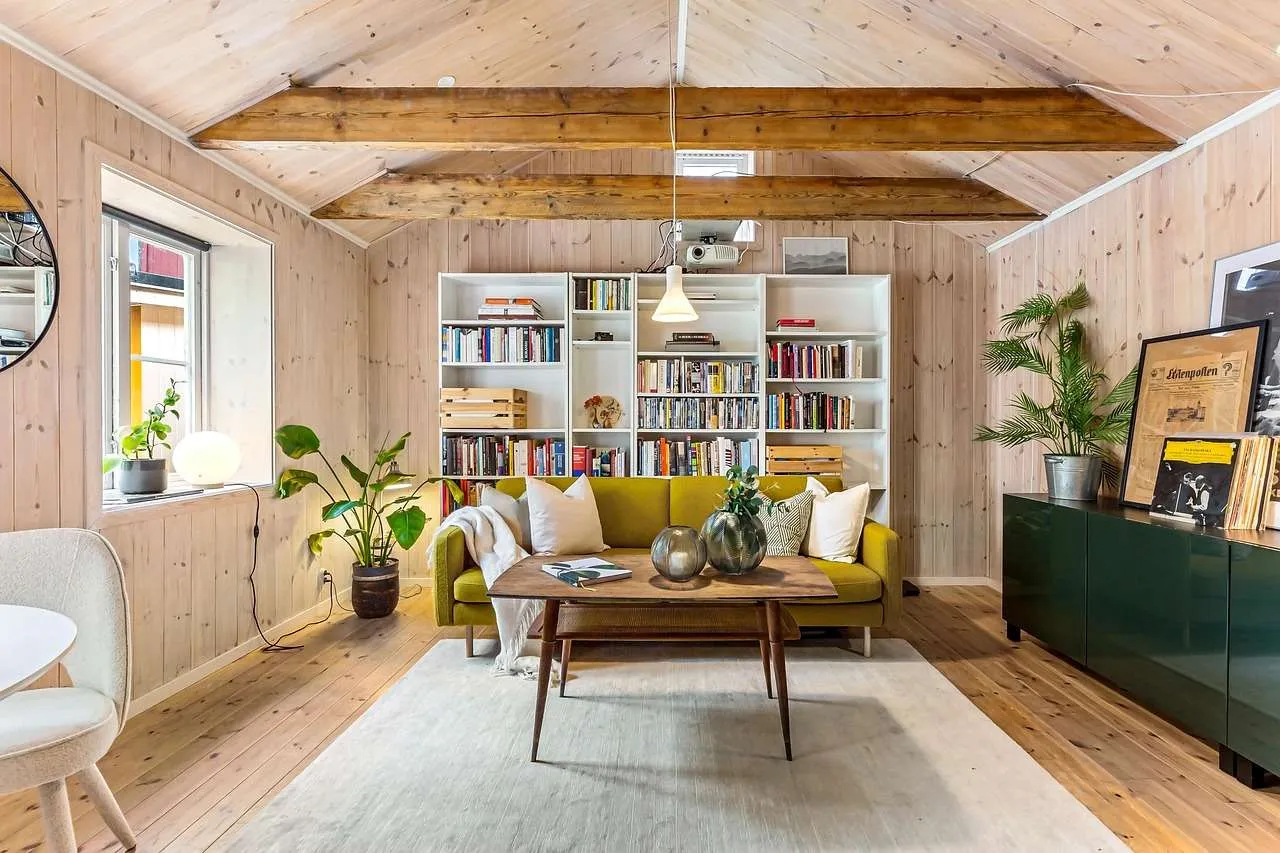
Homeowners searching for home window tinting near me are balancing comfort, energy savings, and curb appeal. The right residential film can soften glare, block UV rays, and help regulate indoor temperatures without sacrificing daylight. This guide explains how to choose a film, how to evaluate local installers, and what to expect in terms of results and costs. By focusing on proven films, licensed professionals, and transparent warranties, you can achieve measurable improvements in comfort and home value.
Why residential window tinting matters
Window tinting reduces heat gain, protects interiors from UV damage, and adds privacy. Ceramic and carbon films offer the best balance of heat rejection and light transmission, while dyed options are more affordable and ideal for basic glare control. A professionally installed film also helps safeguard floors, furniture, and artwork from sun fading.
How to find home window tinting near me
To locate reputable local installers, start with a search that includes your city or neighborhood. Read recent customer reviews, review portfolios, and verify that firms hold proper license and insurance. Request samples and demonstrations to compare finish quality and light transmission. Always obtain written estimates and ask about warranties, lead times, and aftercare instructions.
- Check license, insurance, and any certifications from recognized industry groups.
- Review a portfolio of completed residential projects and ask for references.
- Get written quotes with a clear scope, materials, film type, and warranty details.
- Ask about installation timing, prep requirements, and post-install care.
Types of residential window films
Residential films come in several families, each with different heat rejection, light transmission, and durability. Ceramic films are popular for high heat rejection with minimal color change. Carbon films offer strong heat control and color stability. Dyed films are budget-friendly but may fade or bubble over time. Metalized films provide glare reduction but can sometimes affect electronics or GPS signals in busy homes.
| Type | Pros | Cons | Privacy | Estimated price per sq ft |
|---|---|---|---|---|
| Dyed film | Low cost; improves appearance; reduces glare | Can fade or peel over time | Moderate | 2–6 |
| Metalized film | Strong glare reduction; good energy performance | May interfere with electronics; can look shiny | High | 3–8 |
| Ceramic film | Excellent UV rejection; durable; non-conductive | Higher cost | High | 6–12 |
| Carbon film | Color stable; good heat reduction | Higher cost than dyed | High | 4–10 |
For most homes, ceramic or carbon films offer the best balance of heat rejection and daylight. Dyed films remain a budget option for rooms that mainly need glare reduction. Metalized films are best used when you want additional privacy and glare control, but verify compatibility with home electronics and devices.
Costs and value
Costs depend on window type, film choice, glass size, and installation complexity. Expect installers to quote by square foot or per window with a written warranty. Typical ranges for residential installations are as follows: dyed films 2–6 per sq ft, carbon films 4–10 per sq ft, ceramic films 6–12 per sq ft. Always compare multiple quotes and ask about surface prep, cleaning, and warranty coverage (film warranty and labor warranty).
What to ask a contractor
- Are you licensed and insured? Do you have warranty details for both film and labor?
- What film types do you recommend for my home and climate?
- Can you provide references and recent project photos?
- Is there a pre-inspection to assess window condition and possible edge sealing?
- What is the installation timeline and aftercare routine?
Choosing the right contractor is as important as selecting the film. Look for transparent pricing, qualified installers, and a track record of clean, professional installations in homes similar to yours.
Summary: This guide covers finding a reliable home window tinting near me, understanding film types, weighing energy savings against cost, and selecting a trusted contractor to deliver durable, aesthetically pleasing results.
